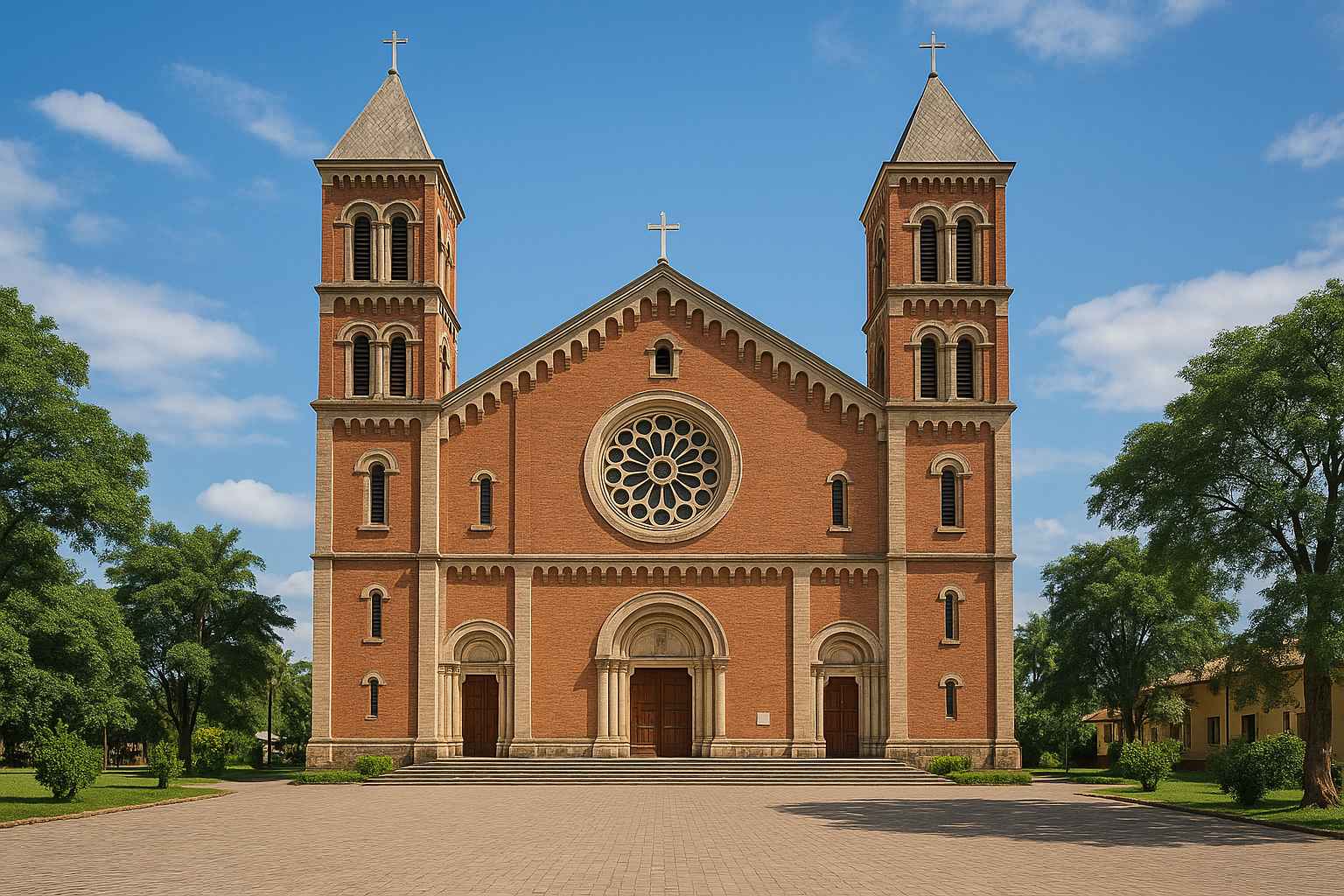
Burundi: The Beating Heart of East Africa – History, Beauty, and Promise Unveiled
Published on
Average Read time: 5 minutes 48 seconds
Burundi – The Beating Heart of East Africa
Nestled between Rwanda, Tanzania, and the Democratic Republic of Congo, Burundi is a small, landlocked nation with a giant spirit. Known as “The Heart of Africa” for its central location, Burundi offers a blend of breathtaking landscapes, warm hospitality, and an unyielding will to rise from its challenges.
Despite its modest size, this country boasts a history as rich and deep as the rolling hills that define its terrain.
A Glimpse into Burundi’s Past
Burundi’s roots trace back over five centuries to powerful monarchies that shaped its early identity. Before European colonization, the Kingdom of Burundi was ruled by kings (mwamis) who governed with traditional laws and cultural customs.
In the late 19th century, the region fell under German and later Belgian colonial rule, becoming part of Ruanda-Urundi. After decades of foreign influence, Burundi achieved independence in 1962, marking the start of a new national chapter.
Though its post-independence years were marked by political turmoil, modern Burundi has been steadily rebuilding toward stability and unity.
Geography and Natural Beauty
Burundi’s landscape is a paradise for nature lovers. Known as “The Land of a Thousand Hills,” it features a patchwork of mountains, savannas, and lakes.
- Lake Tanganyika, the world’s second-deepest freshwater lake, borders its western edge, offering serene views and vibrant aquatic life.
- The Ruvubu National Park and Kibira Forest preserve endangered species like chimpanzees and leopards.
- Burundi’s highlands boast temperate weather and stunning panoramas, especially around Mount Heha, the country’s tallest peak.
This diversity makes Burundi an emerging destination for eco-tourism and adventure seekers alike.
Demographics and People
Burundi’s population of over 13 million people is a mosaic of ethnic and cultural richness. The three main groups—Hutu, Tutsi, and Twa—share deep historical and linguistic ties.
The official languages are Kirundi, French, and English, reflecting both indigenous heritage and colonial influence. Religion plays a strong role, with Christianity being the dominant faith, followed by Islam and traditional beliefs.
Burundians are known for their warmth, hospitality, and community-driven spirit—a true reflection of the African Ubuntu philosophy: “I am because we are.”
Bujumbura – The Vibrant Capital
Once the capital and now the economic hub, Bujumbura sits along the sparkling shores of Lake Tanganyika. The city blends colonial architecture with modern urban life. Tourists can enjoy:
- The Livingstone–Stanley Monument – a historic site marking the famous explorers’ meeting
- Saga Beach – a lively lakeside escape
- Bujumbura Central Market – a colorful showcase of Burundian life and trade
Nightlife here pulses with music, dance, and the irresistible aroma of Burundian street food.
Gitega – The Political and Cultural Center
In 2019, Gitega became Burundi’s new political capital, chosen for its central location and historical importance. Home to royal artifacts, museums, and vibrant markets, Gitega symbolizes the balance between tradition and modernity.
Burundi’s Culture and Traditions
Culture in Burundi is alive in every drumbeat, dance, and woven fabric. Traditional ceremonies celebrate unity and milestones, while modern artists express hope through visual art and music.
The Drummers of Burundi
The legendary Royal Drummers of Burundi are an international cultural treasure. Their performances—synchronized rhythms and acrobatic movements—represent strength, pride, and national identity.
Cuisine of Burundi
Burundian cuisine is hearty, simple, and flavorful. Popular dishes include:
- Ugali – maize porridge served with beans or vegetables
- Mukeke – a delicious fish from Lake Tanganyika
- Brochettes – grilled meat skewers enjoyed in local gatherings
Coffee lovers will find Burundi’s Arabica beans among the finest in the world.
The Economy of Burundi
Burundi’s economy is largely agricultural, employing over 80% of its population. Despite challenges like limited infrastructure and trade access, the country’s natural resources, fertile land, and young workforce fuel optimism for sustainable growth.
Coffee and Tea – Burundi’s Green Gold
Coffee and tea exports are vital pillars of the economy, contributing significantly to national revenue. Efforts toward organic farming and fair-trade certification are helping Burundi gain recognition on the global stage.
Tourism in Burundi
Although still developing, Burundi’s tourism sector is a hidden gem waiting to be discovered. Must-visit destinations include:
- Kibira National Park – home to rare primates
- Karera Waterfalls – breathtaking cascades amid lush greenery
- Gishora Drum Sanctuary – a UNESCO heritage site celebrating Burundian drumming tradition
Visitors can experience not just nature, but the heartbeat of an enduring culture.
Education and Innovation
Burundi’s commitment to education is evident through reforms focusing on literacy, technology, and youth entrepreneurship. Universities in Bujumbura and Gitega are producing a new generation of thinkers eager to shape a prosperous future.
Challenges and Resilience
Like many developing nations, Burundi faces hurdles—political transitions, poverty, and limited access to resources. Yet, its people’s resilience stands unmatched. Grassroots movements, women-led cooperatives, and international partnerships are paving the way for recovery and growth.
The Future of Burundi
With growing stability, renewed tourism interest, and sustainable development goals, Burundi is positioning itself as a rising star of East Africa. Its untouched beauty, cultural wealth, and strong community values make it one of Africa’s most authentic experiences.
FAQs About Burundi
Q1: Where is Burundi located?
Burundi is a landlocked country in East Africa, bordered by Rwanda, Tanzania, and the Democratic Republic of Congo.
Q2: What language do people speak in Burundi?
Kirundi, French, and English are the official languages.
Q3: What is the main religion in Burundi?
Christianity is the predominant religion, followed by Islam and indigenous beliefs.
Q4: Is Burundi safe for tourists?
Yes, major cities and tourist destinations are generally safe, with the government actively improving security and infrastructure.
Q5: What is Burundi known for?
Burundi is famous for its drummers, coffee, tea, lakes, and rich cultural traditions.
Q6: When is the best time to visit Burundi?
The dry season (June to August and December to February) offers the best travel conditions.